
G&P Associates - Blog
Why Commercial & Industrial Building Landlords Need Accurate As-Built Drawings
Posted: November 26, 2025
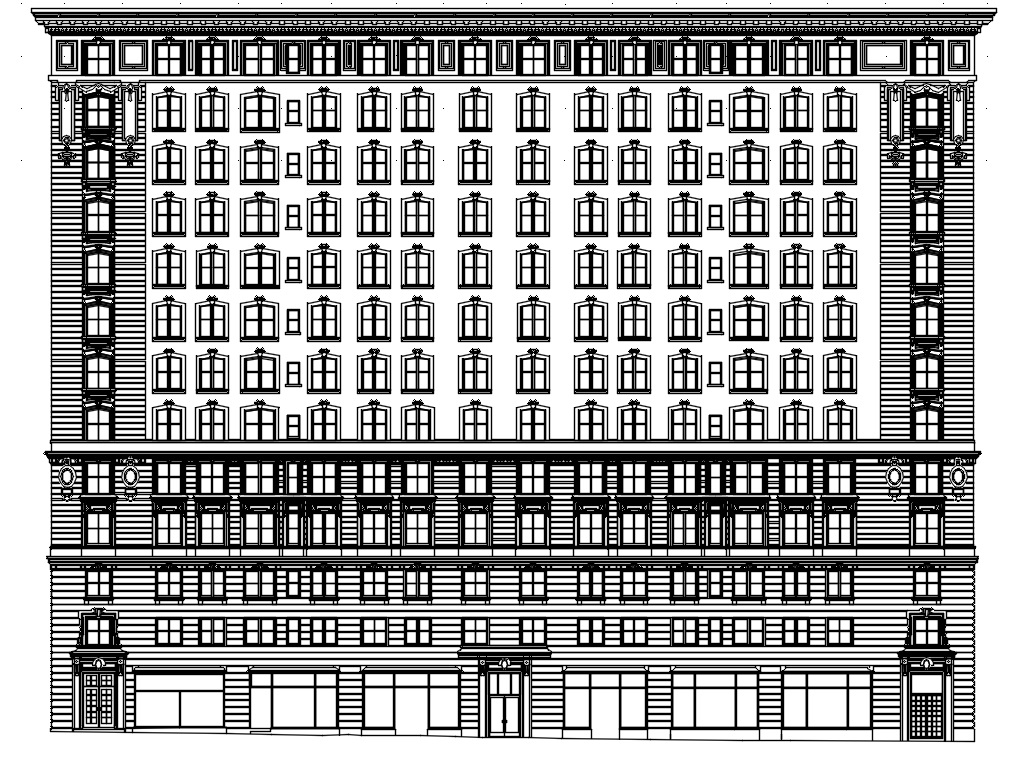
In commercial and industrial real estate, the value of a building extends far beyond square footage and location. Landlords are expected to provide clear, reliable information about their asset—especially when tenants, architects, engineers, and contractors plan renovations or system upgrades.
Yet many buildings still lack one essential resource: accurate as-built drawings.
Whether managing warehouses, office buildings, distribution centers, manufacturing plants, retail spaces, or logistics facilities, landlords increasingly rely on as-built documentation to protect their assets, reduce risk, and maintain long-term property value.
1. As-Builts Protect Landlords From Costly Mistakes
Commercial and industrial buildings often experience decades of renovations, tenant improvements, and undocumented changes. Without accurate as-built plans, contractors and design teams are forced to guess.
This uncertainty leads to:
-
Damaged systems during demolition
-
Misidentified walls or utilities
-
Unsafe assumptions
-
Costly delays and change orders
-
Liability exposure for the landlord
Accurate existing conditions drawings eliminate guesswork and protect landlords from unnecessary risk.
2. They Support Faster Tenant Turnover & Leasing
Prospective tenants and architects need to know two things:
“What exists?”
“How quickly can we modify it?”
Landlords who maintain as-built floor plans, MEP as-built drawings, and Scan-to-BIM models make tenant improvements faster and more predictable.
This enables:
-
Faster architectural design
-
More accurate contractor pricing
-
Shorter permitting timelines
-
Reduced downtime between leases
In competitive markets like NYC, Boston, and Philadelphia, accurate as-builts directly increase occupancy rates and NOI.
3. As-Builts Increase the Building’s Asset Value
Buyers, investors, and institutional tenants expect complete documentation. A building with updated as-built documentation and a digital twin is worth more because it reduces future risk.
Accurate as-built drawings strengthen:
-
Due diligence
-
Long-term asset planning
-
Maintenance budgeting
-
Portfolio valuation
For many REITs and corporate tenants, as-builts are part of the minimum required deliverables.
4. They Reduce Liability & Risk Exposure
Industrial and commercial facilities contain complex systems—high-voltage electrical rooms, fire-suppression systems, HVAC equipment, compressed air, automation lines, gas piping, and more.
If work begins without accurate MEP as-builts, landlords may be held responsible for:
-
Safety hazards
-
Code violations
-
Unplanned shutdowns
-
Damaged equipment
-
Tenant disruptions
Accurate MEP as-built documentation helps ensure safe, compliant work.
5. They Keep Facilities Code-Compliant
Local governments and safety authorities frequently require updated documentation of:
-
Fire-protection and sprinkler systems
-
Electrical service and panel capacity
-
Plumbing and gas distribution
-
Emergency egress layouts
Providing as-built MEP drawings and existing conditions plans ensures faster inspections and smoother approvals.
6. They Improve Facilities Management & Maintenance
Facilities teams depend on as-built documentation to keep operations running smoothly.
As-builts help teams locate:
-
Shutoff valves
-
Electrical feeders
-
HVAC equipment
-
Structural load paths
-
Plumbing mains
-
Specialty systems and controls
Without accurate as-built plans, facility managers waste time and money hunting for equipment or tracing systems manually.
7. They Prevent Costly Change Orders During Construction
Change orders happen when drawings don’t match reality.
With complex MEP systems, this is common in older commercial and industrial buildings.
Accurate Scan-to-BIM models and as-built floor plans reduce change orders by:
-
Showing true existing conditions
-
Preventing clashes between new and old systems
-
Eliminating field measuring errors
-
Allowing precise coordination between trades
Fewer surprises = fewer delays and fewer disputes.
8. They Enable Digital Twins & Smart Building Upgrades
Modern facilities increasingly rely on digital twin models for operations, energy management, predictive maintenance, and capital planning.
A digital twin requires accurate:
-
Point cloud data
-
As-built architectural plans
-
MEP as-built models
-
Scan-to-BIM geometry
Without these inputs, a digital twin cannot exist.
Landlords who maintain a digital twin gain long-term strategic advantage.
9. They Help Landlords Plan Capital Improvements
Capital planning depends on knowing your building’s true conditions.
Accurate as-built drawings help landlords plan upgrades to:
-
HVAC systems
-
Electrical service and generators
-
Roof structural upgrades
-
Sprinkler and life-safety systems
-
Plumbing mains and risers
-
Loading docks and warehouse modifications
Better documentation means smarter budgeting.
10. They Build Trust With Tenants, Brokers & Design Teams
Landlords who provide detailed as-built documentation are viewed as:
-
Organized
-
Reliable
-
Transparent
-
Professional
Architects, engineers, and contractors prefer to work with landlords who maintain up-to-date drawings of the property.
This alone makes the building more attractive to tenants.
Conclusion: As-Builts Are No Longer Optional for Commercial & Industrial Landlords
Accurate as-built drawings have become a core requirement for modern commercial and industrial property management. They help landlords:
-
Reduce project risk
-
Lower operating costs
-
Protect system integrity
-
Improve tenant satisfaction
-
Enable digital twin capabilities
-
Increase property value
-
Support faster leasing and upgrades
In today’s market, as-builts are not a luxury—they’re an asset.
Request a quote:
Simply provide the project address and required deliverables—we’ll take it from there.
📞 1-607-327-1106
✉️ cgibbons@gpassociates.org